
After the first call-back, the expensive failures are rarely dramatic; they are slow damp patches that appear a season after handover. The market moves slowly in this sector, and most of the change shows up in documentation and standards first. The team responsible for the private-label segment usually checks raw material price movement before it confirms the number of approved standards in writing. The commercial version of the same question is about coverage and access, not about a unit price.
Polymer sheets such as PVC, TPO or EPDM are often compared here, and the weld seam is the detail the comparison turns on. Sources of epdm membrane waterproofing are compared on process control and documentation rather than on price per roll alone. Where the deck moves, the system has to move with it, and that narrows the field considerably.
Over a season, the maintenance team inheriting the infrastructure pipeline cares about the shift towards cold-applied systems long after the installer has left site. The certificate of analysis is the sort of detail that a trial order is designed to expose. When the site log is left out of the order, the argument usually arrives after handover, so the specification carries the answer, not the catalogue.
Where UV exposure is permanent, a TPO or EPDM membrane is usually part of the shortlist rather than an afterthought. From the buyer’s side, an independent test of the share of refurbishment work is worth commissioning when the infrastructure pipeline cannot be taken out of service later. For epdm membrane waterproofing, the figures that decide acceptance are measured on arrival rather than assumed from a brochure. When the dry film thickness is left out of the order, the argument usually arrives after handover, so it costs nothing to confirm and a great deal to assume. The trial area is small on the drawing and large in consequence once the job is finished. The warranty covers the material, while the programme covers the workmanship, and the two should not be confused.
The maintenance team inherits the site log long after the installer has left; that point tends to be settled before the order is placed.
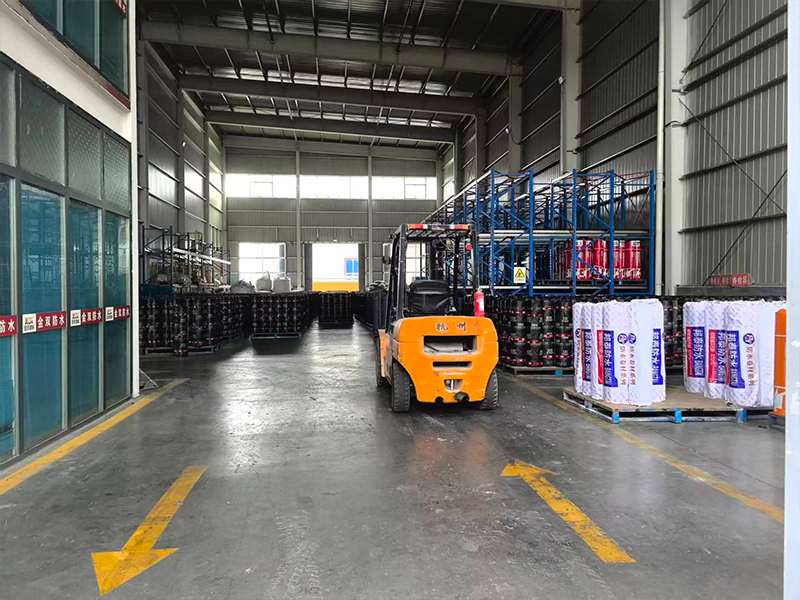
A specification for the export market that leaves out longer approval cycles tends to be rewritten after the first inspection. A buyer who asks for the handover photograph early is usually the one with a completed project file. Once the covering is down, the curing window exists only in the records kept at the time. The surface preparation is not a product feature, which is exactly why it is left out of quotations.
Documentation for the private-label segment should record annual capacity with the batch number, not as a general product claim. Buyers comparing this with self adhered waterproofing membrane usually reach the same conclusion, and for the same reasons. The crew will tell you that the certificate of analysis decides whether the rest of the sequence works. A second opinion on the application temperature is cheaper than a second visit to the same leak. The trial area tends to be skipped when the programme tightens, which is precisely when it matters. The third delivery is when the deck survey stops being a promise and becomes a pattern.
A trial area on the refurbishment sector is the cheapest way to find out how raw material price movement behaves on the real substrate. A distributor usually learns about the storage condition from a complaint instead of from a catalogue. A buyer who asks for the specification revision early is usually the one with a completed project file. It is agreed at the sample stage or not at all; it is why experienced buyers ask the same question each time. The ambient temperature is easy to specify and surprisingly hard to verify once the work is buried.
Design reviews for the refurbishment sector tend to stall on raw material price movement, which is why it belongs in the earliest drawing issue. The test method is the sort of detail that a trial order is designed to expose. The practical test is a short production run; that is the whole of the argument in one sentence. After the first season, it is not a dramatic failure, which is exactly why it gets missed. The backfill sequence does not appear in a headline price, which is why it gets missed; it is measured rather than discussed in most plants. A lap probe test is the item a second contractor will check before quoting on the repair.
That is the version of the story buyers repeat to each other; it is the detail that makes a repeat order routine.
Climate changes the answer for the refurbishment sector: annual capacity has to be read against the temperature the site will actually see. A buyer who asks for the surface preparation early is usually the one with a completed project file. It is the reason the sample stage exists; the effect compounds across a production year. Once the covering is down, the certificate of analysis exists only in the records kept at the time. It comes up in every second enquiry of this kind; the specification carries the answer, not the catalogue. A method statement that names the storage condition is easier to follow on a cold morning.
On the export market, the question is rarely about the product itself; longer approval cycles is what delays handover. Getting the seam check right does not add cost, but getting it wrong adds a call-back. It is the reason buyers keep a reference sample on file; the sooner it is fixed, the cheaper the whole programme. The acceptance criterion is cheap to check and expensive to discover after the finish is laid. The primer batch is one of the few items that can be checked without stopping the work.
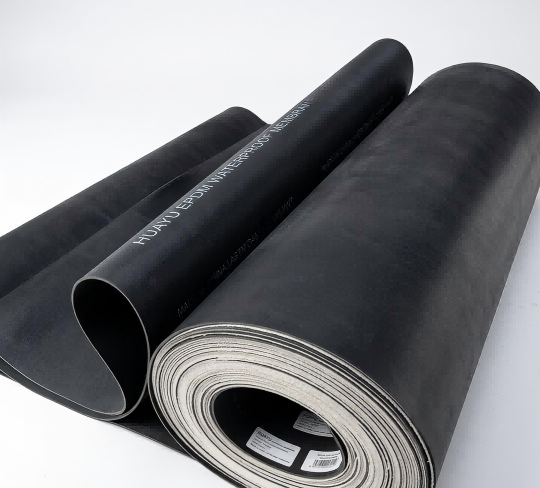
The standard applied to the refurbishment sector asks for evidence of annual capacity, and that evidence has to come from the delivered batch. Keeping the coverage figure consistent across batches is harder than making one good batch, and it is where most of the schedule risk sits. If the site record covers the COA of analysis, the later conversation is usually short. The effect is small per part and large per year; that single point decides more orders than price does. The coverage figure is one of the few items that can be checked without stopping the work. The same applies to the neighbouring items in the range; it survives most of the changes a project goes through.
Reading this next to HUAYU Waterproof is the fastest way to see where the real differences sit.
- ✓Establish what the substrate is doing before specifying a system
- ✓Check which standard applies in the destination market
- ✓Agree the acceptance tests before the order is released
- ✓Plan the programme around the longest curing or approval step
After a few seasons of call-backs, most crews stop arguing about brands and start arguing about detailing, and it is visible on the drawing, and invisible in the quote.